The Allure of the Deep Ceramic Dish: More Than Just a Pot
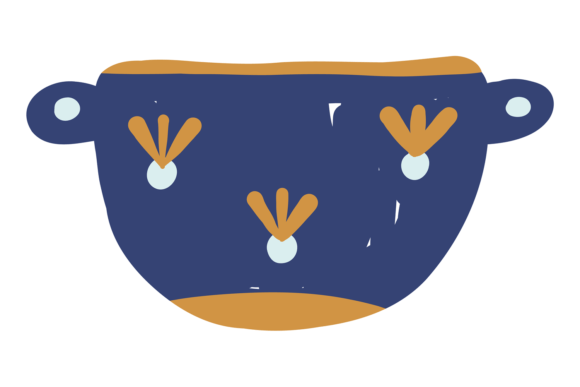
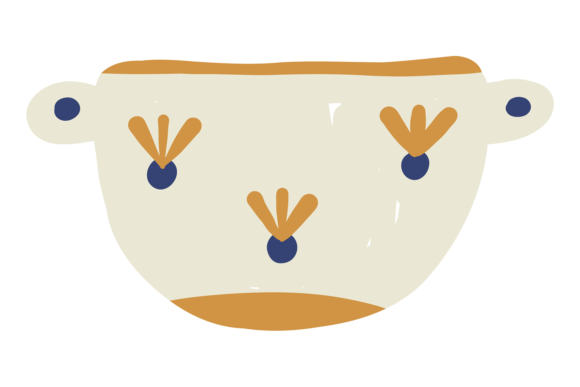
There’s a quiet confidence to a piece of well-made pottery. It doesn’t shout for attention; it earns it through substance, texture, and a form that feels both intentional and effortless. This is the essence captured by the Serving Decorative Pot. Deep Ceramic Dis. At first glance, it’s a beautiful object—a deep, substantial ceramic dish with ergonomic handles, often seen isolated against a clean background in design assets. But for the creative professional, it represents something more: a versatile design element with a distinct personality that can ground and elevate a wide range of projects.
Visual Character and Practical Appeal
The Serving Decorative Pot. Deep Ceramic Dis isn’t just a flat illustration. It carries a tangible sense of depth and weight. The "deep ceramic" description is key—it suggests capacity, utility, and a certain sturdiness. The handles are a critical design feature; they transform the object from a simple vessel into something meant to be used, to be moved, to serve a purpose. This combination of decorative form and implied function gives it a unique style: it feels artisanal yet approachable, rustic yet refined. It’s a modern typography of object, where the curves of the pot and the lines of the handles create a natural visual hierarchy.
This character makes it an incredibly useful creative font for visual storytelling. In a logo design, it can symbolize nourishment, creativity, or a hands-on business ethos. For a brand identity centered on home goods, artisanal food, or wellness, it instantly communicates a core value without a single word. Its personality is grounded, authentic, and warm—qualities that resonate deeply in today’s market, where consumers seek connection and transparency.
Where This Element Truly Shines: Applications Across Projects
Think of this decorative pot not as a clipart, but as a core design asset. Its applications are broad, limited only by the creator's ability to contextualize its meaning.
- Branding & Packaging Design: For a small-batch tea company, a ceramic studio, or a gourmet sauce brand, the Serving Decorative Pot becomes the hero of the label or box. It establishes an immediate, tactile connection to the product inside. It works beautifully in editorial design for food and lifestyle magazines, adding a touch of authentic styling to feature articles.
- Digital Presence & Social Media: As a featured image in a blog header, a consistent element in Instagram story templates, or a focal point in a website’s "About Us" section, the pot builds visual consistency. It helps create a recognizable aesthetic for bloggers and content creators in the food, décor, or crafting spaces. Its isolated format on a white background makes it perfect for clean, modern web design layouts.
- Marketing & Advertising: In social media graphics for a farmer's market promotion or a workshop advertisement, the pot serves as a friendly, relatable icon. It can soften the hard sell of a marketing campaign, replacing generic stock imagery with something that feels more personal and crafted. For entrepreneurs, using it in pitch decks or one-pagers can subtly reinforce a brand story centered on quality and care.
- Personal & Commercial Projects: Crafters can incorporate it into digital scrapbooking, custom invitations for a dinner party, or even as a stencil template for physical projects. Its commercial font licensing typically allows for this kind of versatile, value-added use, making it a smart investment for small business owners who need assets that work across multiple touchpoints.
Making It Work: Practical Guidance for Creatives
Integrating a strong visual element like the Deep Ceramic Dis requires more than just placement. It demands a thoughtful approach to ensure it enhances, rather than overwhelms, your design.
- Evaluate Project Fit: Does your project’s theme align with the pot’s personality? It’s a natural fit for organic, handmade, culinary, or lifestyle themes. It might feel out of place in a fast-paced tech startup’s branding unless used with a clever, ironic twist. Always start with alignment.
- Master the Font Pairing (of Elements): Just as you’d pair a serif font with a sans serif, you need to pair this decorative element with the right typography and imagery. Its rounded, organic form pairs well with clean, geometric sans serif fonts for contrast, or with a complementary handwritten font for a fully artisanal feel. Avoid pairing it with overly ornate script fonts, which can create visual clutter.
- Test for Readability and Hierarchy: The pot has strong visual weight. Use it intentionally to create a focal point. If it’s part of a logo, ensure it doesn’t overshadow the brand name. In a social media post, give it breathing room—don’t crowd it with text. Its effectiveness lies in its ability to draw the eye and then guide it to your key message.
- Understand the Asset: Review what’s included with your purchase. Is it just a single JPG, or does the package include the EPS vector file? The vector format is crucial for scaling without loss of quality, essential for print design from business cards to large banners. Knowing the full range of your design assets allows for greater flexibility and professionalism.
- License with Confidence: For any commercial project—whether it’s for a client or your own business—ensure you have the correct commercial font and asset license. This protects you legally and ensures the original creator is compensated, fostering a healthy ecosystem for premium font and design resources.
Ultimately, the Serving Decorative Pot. Deep Ceramic Dis is more than a pretty picture. It’s a strategic tool. For the designer, it’s a way to inject authenticity. For the marketer, it’s a vehicle for storytelling. For the small business owner, it’s a piece of a cohesive brand identity that feels real and reliable. By understanding its character and applying it with intention, you transform a simple ceramic dish into a powerful component of your creative and professional toolkit. It’s a reminder that the best design often starts with appreciating the beauty and purpose in everyday objects.