Charming Character: The Cute Hand Drawn Ceramic Pot Style
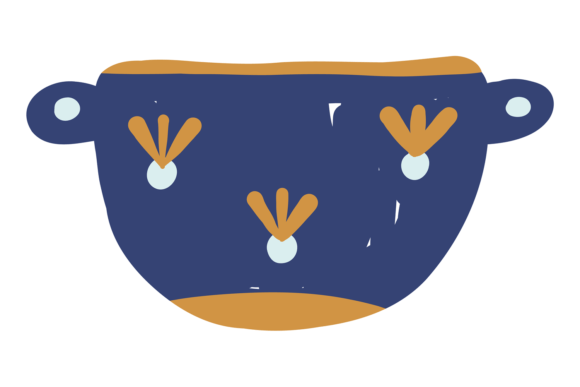
There is a certain warmth that comes from something crafted by hand. In a digital world saturated with sleek, geometric precision, the Decorative Ceramic Pot. Cute Hand Drawn style offers a refreshing return to tactile authenticity. This design asset, often available as an isolated vector or high-resolution image, captures the essence of artisanal charm. It is more than just a picture of a container; it is a visual narrative. The style features soft, organic lines that mimic the imperfection of a pencil stroke or the fluid motion of a brush. Whether used as a central graphic or a supporting motif, this aesthetic immediately evokes feelings of comfort, creativity, and down-to-earth simplicity.
The visual characteristics of this style are defined by its personality. You will often see varying line weights that create depth without relying on heavy shading. The "cute" aspect usually comes from slightly exaggerated proportions—perhaps a pot that is a bit rounder or a rim that curls playfully. The texture is key here. Unlike a flat, vector-only icon, this style often incorporates a "hand drawn" grain. This texture bridges the gap between digital clarity and traditional art. When you look at a Decorative Ceramic Pot illustration, you are looking at a design element that feels approachable and genuine, a stark contrast to the cold rigidity of standard corporate iconography.
Strategic Applications: From Branding to Editorial Design
Understanding where to deploy this specific aesthetic is crucial for designers and entrepreneurs. This is not a universal solution for every brand, but for the right project, it is a game-changer.
Building a Brand Identity
For businesses in the wellness, home goods, organic food, or artisan sectors, this visual style is a cornerstone of effective brand identity. A small business owner selling handmade soaps or local honey can use this imagery to signal quality and care before the customer even reads the label. It acts as a visual shorthand for "small batch" and "high quality." In logo design, a simplified version of the pot can serve as a memorable mark. It tells the audience that the brand values tradition and craftsmanship over mass production.
Packaging and Print Design
In packaging design, the tactile nature of the illustration pairs beautifully with textured paper stocks, such as kraft or cotton rag. Imagine a tea company using a series of these drawings on their boxes; it instantly elevates the product from a commodity to an experience. For editorial design, such as in cookbooks or lifestyle magazines, these illustrations break up text-heavy pages. They serve as visual anchors that keep the reader engaged, adding a layer of whimsy to the layout without distracting from the content.
Digital and Web Presence
While many designers default to photography for web design, illustrated elements like the Decorative Ceramic Pot can significantly reduce page load times while maintaining high aesthetic value. They are excellent for "404" pages, loading animations, or section dividers on a blog. Furthermore, in the realm of social media graphics, these hand-drawn elements stop the scroll. They feel less like an advertisement and more like art, which encourages higher engagement rates from audiences tired of polished, stock-photo perfection.
The Influence on Visual Hierarchy and Perception
Every design element you choose influences how your audience processes information. The "Cute Hand Drawn" style has a profound effect on visual hierarchy and brand perception.
- Softening the Message: Sharp, geometric fonts and images can feel authoritative but sometimes aggressive. This ceramic pot style softens the visual landscape. It makes a brand feel more accessible and human, which is vital for building trust with consumers aged 20 to 50 who prioritize authenticity.
- Creating Focal Points: Because this style is distinct, it naturally draws the eye. Use it to highlight a call-to-action or a specific product feature. The uniqueness of the illustration ensures that the viewer's gaze rests exactly where you want it.
- Consistency and Recognition: Using a cohesive set of these illustrations—perhaps a series of different pots and plants—creates a visual language. When a user sees this specific drawing style on a website, then on a social post, and finally on a physical product, it reinforces brand recognition through consistency.
Practical Guidance for Implementation
Adopting a new design asset requires more than just enthusiasm; it requires strategy. Here is how to effectively integrate the Decorative Ceramic Pot aesthetic into your workflow.
Evaluating Project Fit
Before downloading, ask yourself if this style matches your project's tone. If you are designing for a fintech startup or a high-end law firm, a hand-drawn ceramic pot might undermine your credibility. However, if you are working on a bakery, a yoga studio, a children’s book, or a sustainable fashion brand, this style is a perfect fit. It pairs exceptionally well with serif fonts for a vintage feel or clean sans serif fonts for a modern, eclectic look.
Font Pairing and Typography
Typography is the voice of your design. When using a "Cute Hand Drawn" graphic, your font choice acts as the supporting cast. Avoid pairing it with overly ornate script fonts, as this can create visual clutter where two "handwritten" styles compete for attention. Instead, opt for a sturdy, legible sans serif font for body text. This contrast allows the illustration to shine as the "art" while the text remains the "utility." If you want a more cohesive "homemade" vibe, a handwritten font can work for headers, provided the letterforms are distinct enough from the illustration's line work.
Technical Considerations
Check the file formats provided. A high-quality asset should include EPS files for scalability and JPG or PNG files for immediate use. Since the prompt mentions an isolated white background, ensure you have editing software (like Adobe Illustrator or Affinity Designer) to remove the background if you need to overlay the pot onto a colored surface or texture. This flexibility is essential for web design and social media graphics where backgrounds vary constantly.
Licensing and Commercial Use
Finally, always verify the licensing. If you are a small business owner or a freelancer, you need to ensure the asset is cleared for commercial use. Check if the license covers physical products (like merchandise) or just digital media. Respecting intellectual property protects you legally and supports the artists who create these design assets.
Conclusion: The Art of Authenticity
The Decorative Ceramic Pot. Cute Hand Drawn style is more than a trend; it is a response to a growing desire for human connection in design. By incorporating these organic, charming illustrations into your projects, you invite your audience into a space that feels curated, thoughtful, and real. Whether you are crafting a brand identity