The Art of the Find: Capturing the Magic of Decorative Dishes
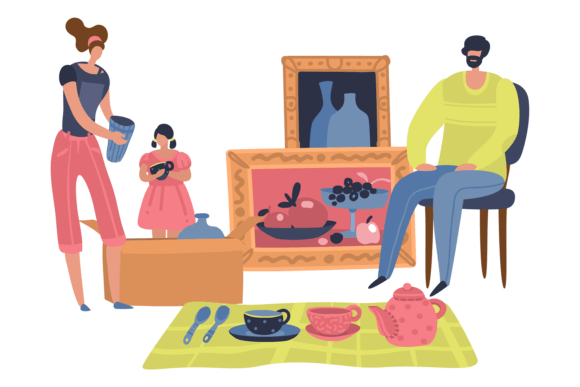
There's a particular kind of magic in a street flea market. It’s the morning sun warming the pavement, the quiet hum of browsers, and the thrill of spotting something beautiful among the ordinary. It’s the moment a hand reaches out to examine a piece of ceramic, its glaze catching the light—a perfect, candid snapshot. This scene, of People Buying Decorative Dishes at Stree, isn't just a transaction; it's a narrative of discovery, taste, and personal style. For designers and creators, this visual story is a powerful asset, a window into an aesthetic that feels authentic, lived-in, and rich with character.
Visual Personality and Authentic Appeal
The image of people engaged with decorative dishes at a street market evokes a very specific mood. It’s warm, tactile, and deeply human. The visual style leans into a casual, curated aesthetic—think textured linens, rustic wood surfaces, and the imperfect beauty of handmade pottery. The personality is approachable, nostalgic, and slightly eclectic, appealing to those who value story over mass production. This isn't sterile minimalism; it's a style that embraces the patina of use and the charm of the unique. The overall appeal lies in its ability to communicate a sense of thoughtful curation and an appreciation for craftsmanship.
For a brand, this aesthetic can be a strategic differentiator. It tells a customer, "We value quality, story, and the human touch." It’s particularly effective for businesses in the artisanal food, boutique homeware, sustainable lifestyle, or creative workshop spaces. The visual language here supports a narrative of authenticity that can cut through the noise of generic, digitally perfect marketing.
Strategic Applications for Creative Projects
Understanding where a visual like People Buying Decorative Dishes at Stree works best is key to leveraging its power. Its strengths are in contexts where storytelling and emotional connection are paramount.
- Brand Identity & Packaging Design: This imagery is perfect for a brand's foundational story. It can be used in the "Our Story" section of a website, on packaging inserts, or as the backdrop for product photography for a ceramics studio, a specialty tea company, or a gourmet jam brand. It builds an immediate emotional connection.
- Editorial Design & Publishing: For blogs, magazines, or digital publications focused on food, design, travel, or lifestyle, these visuals serve as compelling header images, article illustrations, or social media graphics. They add a layer of authenticity that staged studio shots often lack.
- Digital Marketing & Social Media: On platforms like Instagram and Pinterest, where visual storytelling is currency, this aesthetic excels. It’s ideal for creating relatable, "saveable" content for a small business owner showcasing their products in a real-world context, or a crafter sharing their market finds.
- Web Design & User Experience: Used as a hero image or a section background, it can set the tone for an entire website, particularly for a café, a boutique hotel, or a creative agency that wants to project a warm, human-centric vibe.
From Visual Asset to Brand Voice
The influence of a consistent visual style like this extends far beyond mere decoration. It directly shapes how an audience perceives and interacts with a brand. When applied thoughtfully, it affects key aspects of communication.
Brand Perception & Recognition: Consistently using imagery that aligns with the flea market discovery scene helps build a recognizable brand voice. Over time, your audience will associate that warm, curated, authentic feeling with your business. This builds trust and emotional loyalty, which is far more valuable than a one-time sale.
Audience Engagement: This style is inherently engaging because it’s relatable. It shows real people interacting with real objects, which invites the viewer to imagine themselves in the scene. This can lead to higher engagement rates on social media and longer dwell times on websites, as people are drawn into the story you're telling.
Visual Hierarchy and Readability: In design, such richly textured imagery requires careful handling. To maintain a professional hierarchy, pair it with clean, simple typography. A premium font—perhaps a clean sans serif font for body text or an elegant serif font for headlines—can provide the necessary contrast and ensure your message remains clear and legible against a detailed background. The font choice itself becomes part of the brand's character.
Practical Guidance for Implementation
Integrating a specific aesthetic into your projects requires more than just downloading an image. Here’s how to approach it with a professional mindset.
- Evaluate the Fit: Does the handmade, story-driven aesthetic align with your brand's core values and your audience's expectations? It's perfect for a ceramic artist but might not suit a tech startup focused on sleek efficiency.
- Test Font Pairings: If you're building a brand system, test how your chosen typeface interacts with this visual style. A handwritten font or script font might be tempting for a personal touch, but ensure it remains readable. Often, a strong font pairing—like a bold serif headline with a simple sans-serif body—creates the best balance of personality and clarity.
- Consider Commercial Licensing: Always source your design assets from reputable platforms that provide clear commercial licenses. Whether it's stock photography, illustrations, or a creative font, understanding the license is non-negotiable for professional use. This protects your business and respects the creator's work.
- Maintain Consistency: Once you commit to this visual direction, apply it consistently across all touchpoints—from your website and social media to your logo design and packaging design. This consistency is what transforms a collection of assets into a cohesive brand identity.
In the end, the scene of people buying decorative dishes is more than a subject for a photograph. It’s a metaphor for the creative process itself: searching, finding, and curating the pieces that tell your unique story. By harnessing this aesthetic with intention and strategic design, you create more than just marketing materials—you build a world that your audience will want to step into and explore.