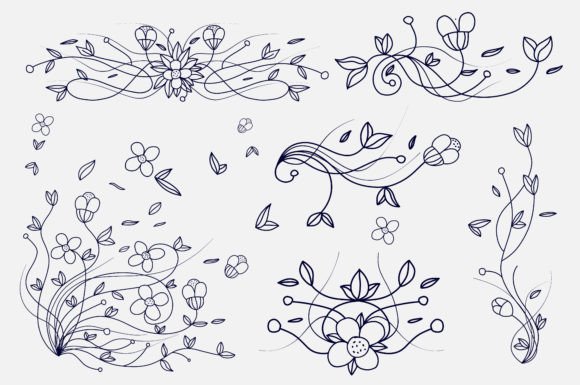
Stunning Flower Decorative Elements for Every Creative Project
There's a certain kind of magic in a well-placed floral element. It can soften a sharp, corporate design, add a touch of whimsy to a formal invitation, or bring a sense of organic life to a minimalist website. But finding the right assets—the ones that are versatile, high-quality, and easy to use—can be a project in itself. This is where a comprehensive resource like the Flower Decorative Elements collection truly shines, offering a curated library of botanical graphics designed for seamless integration into your workflow. Delivered as a versatile set of design assets, including Ai CC, EPS10, SVG, and JPEG files, this collection is built for the practical demands of modern creatives.
A Visual Language Rooted in Nature
At its core, the Flower Decorative Elements collection isn't a single typeface or font; it's a visual vocabulary. The style leans into a sophisticated yet approachable aesthetic. You won't find overly stylized or cartoonish blooms here. Instead, think of elegant line art, detailed botanical illustrations, and versatile floral motifs that range from delicate and airy to bold and structured. The personality is one of refined naturalism. It speaks of gardens, growth, and timeless beauty without feeling dated or overly rustic.
This versatility is its greatest strength. A single, intricate rose illustration can anchor a luxury brand's logo, while a collection of simple leafy sprigs can create a cohesive pattern for packaging design. The appeal lies in this adaptability. Whether you're crafting a brand identity for a boutique florist, designing social media graphics for a wellness coach, or laying out pages for an editorial design project in a nature magazine, these elements provide a consistent and professional visual thread. They function less like a rigid display font and more like a flexible toolkit, allowing you to inject personality and organic warmth into any project.
Practical Applications Across the Creative Spectrum
Understanding where these elements work best is key to unlocking their potential. Their strength lies in their ability to enhance, not overwhelm. For logo design, a single, well-chosen floral icon can become the centerpiece of a memorable brand identity for businesses in the beauty, lifestyle, wedding, or artisanal food sectors. It immediately communicates a set of values—natural, handmade, elegant, and thoughtful.
In the realm of web design and digital content, these elements are invaluable. They can be used as subtle background textures, decorative borders for blog posts, or eye-catching graphics for email headers. Because the collection includes scalable SVG files, they remain crisp and clean on any screen resolution, a critical factor for professional modern typography and layout. For social media graphics, they offer a quick way to create visually cohesive and engaging content. Imagine a series of Instagram posts where a consistent floral motif ties together quotes, product shots, and announcements, strengthening your visual presence.
Print applications are equally robust. For packaging design, floral elements can transform a simple box or label into something special, telling a story of the product inside. In editorial design, they can be used as chapter headers, decorative dividers, or spot illustrations that break up long blocks of text, improving the reader's experience. Entrepreneurs and small business owners will find them particularly useful for creating professional-looking stationery, thank-you cards, and promotional materials without needing to commission custom illustrations for every piece.
Integrating Florals into Your Design System
Using decorative elements effectively is about more than just placement; it's about integration. The first step is evaluating your project's fit. Ask yourself: does this floral style align with my brand's voice? A bold, abstract peony might suit a modern fashion label, while a delicate watercolor blossom might be perfect for a children's boutique. The Flower Decorative Elements collection's range helps here, offering options that can be matched to different aesthetic needs.
Next, consider font pairing. This is where the magic happens. A flowing, elegant floral motif pairs beautifully with a clean sans serif font for a balanced, contemporary look. For a more traditional or romantic feel, combining these botanicals with a refined serif font or even a subtle script font can create a harmonious and sophisticated layout. The key is contrast and balance. Let the florals add the decorative flair while your chosen creative font ensures readability and clear hierarchy.
Practical testing is non-negotiable. Before committing, place the floral elements within your actual layout mockups. Check their scale, color, and placement relative to your text and other graphical components. Does a large, central motif distract from your headline? Would a smaller, repeating pattern work better as a border? Because the files are provided in multiple formats, you have the flexibility to edit and customize. Use the Ai CC or EPS10 vectors to adjust colors, remove parts of an illustration, or combine elements to create something new. This level of control is what separates a premium font asset from a basic clipart download.
Finally, always be mindful of the context and licensing. For any commercial project—whether it's a client's logo, a product you sell, or marketing materials—ensuring you have the appropriate commercial license is essential. This protects both you and your client. The Flower Decorative Elements collection is designed as a commercial font asset, providing the legal clarity needed for professional use. By thoughtfully integrating these botanical elements, you move beyond mere decoration. You build a richer, more engaging visual narrative that resonates with your audience, enhances your message, and elevates the perceived quality and professionalism of your work. It's about using nature's own designs to tell your story more effectively.